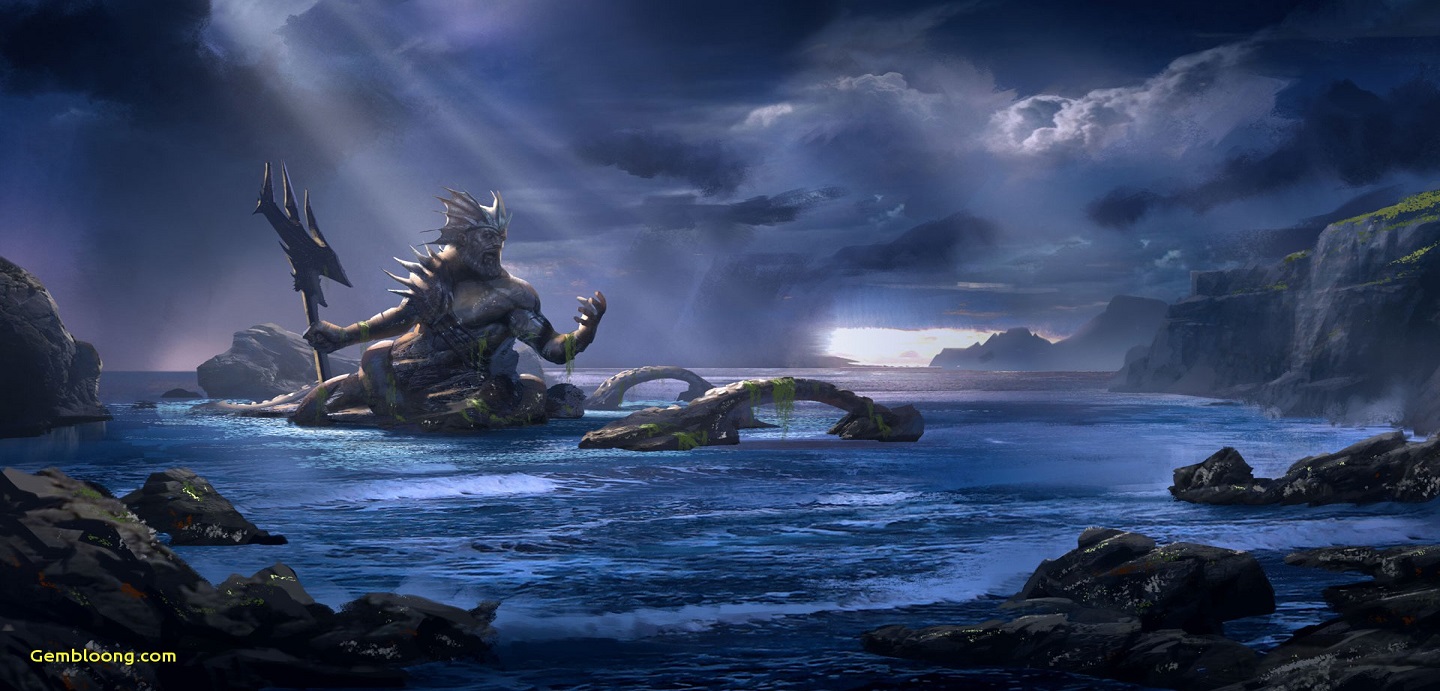
Over the centuries, Diwali has become a national festival that is enjoyed by most Indians regardless of faith: Hindus, Jains, Buddhists, and Sikhs. Hindus interpret the Diwali story based upon where they live: In northern India they celebrate the story of King Rama's return to Ayodhya after he defeated Ravana by lighting rows of clay lamps. Southern India celebrates it as the day that Lord Krishna defeated the demon Narakasura. In western India the festival marks the day that Lord Vishnu, the Preserver (one of the main gods of the Hindu trinity) sent the demon King Bali to rule the nether world. In all interpretations, one common thread rings true—the festival marks the victory of good over evil. Non-Hindu communities have other reasons for celebrating the holiday: Download PDF

Makara Sankranti is a festival of harvest all over the Indian Continent, especially the Indian Union. ANDHRA PRADESH: Every month the Sun moves from one zodiac constellation to another and the day on which Sun changes the constellation is called Sankranti. Makara Sankranti (usually falls on January 14), the Sun’s movement into Capricorn (Makara) constellation is considered very important, as it is the beginning of a sixmonth period of the auspicious time of Sun’s northern course called Uttarayana Punya Kaalamu. Bhogi is the day preceding Sankranti and Kanumu is the day after Sankranti. One month preceding Makara Sankranti is known as Dhanurmasamu. Download PDF
Every March, people in India celebrate Holi for at least two days. Holi is also called the Festival of Colors. It is a religious holiday for the faith of Hindu. On the days of Holi, people in India party together. They build bonfires on the roads. They throw colored powders at each other. They spray colored water at each other. It is a lot of fun! Why do people in India celebrate Holi? Nobody knows for sure, as there are different stories about the holiday's origin. Of the various versions, the fight between Vishnu and Hiranyakshipu may be the most famous.Vishnu is a good god. Hiranyakashipu is a demon king. The two never liked each other. Then things got even worse after Vishnu killed Hiranyakashipu's younger brother in a battle. Hiranyakashipu was very upset. He vowed to avenge the death of his younger brother. Download PDF
This practice was re-instituted by Jahagir in his 8th regional year, but after sometime, the festival was given up till it was revived by Shah Alam II. A lady used to tie Rakhi on the wrist of Shah Alam to whom he declared his sister in reciprocation of her services.§ P.N Chpda argues that Rakhi is the greatest festival of Brahmins which is observed on the full moon day of Shravana. Though this is the festival of brothers and sisters, but the royal priests also fastened Rakhi on the right wrists of their patrons. Further, he states that Akbar made it national festival and had a Rakhi tied on his wrist on the occasion of Rakshabandhan.Jahangit during his regime revived it and ordered that “the Hindu Amirs and the head of caste should fasten Rakhis on my arms on the auspicious occasion of Rakhi.”** Download PDF
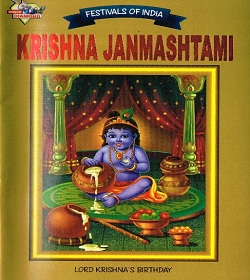
Nirmala, whose elder sister Khashti had taken the Gandhian Thoughts training programme a number of years ago, has recently joined Lakshmi Ashram as a teacher. She had previously been running a small school in her own community. This year she experienced for the first time how the festival of Shri Krishna Janmashtami, marking the birth of Lord Krishna, is celebrated in a unique way in Lakshmi Ashram. Many kinds of festivals are celebrated in our country, in different ways in different places. They come at every season of the year, each reflecting the unique diversity of India. There is one festival, Janmashtami, which is celebrated with great enthusiasm during the rainy season. As the word „janma = birth‟ suggests, this festival is celebrated to mark someone‟s birth. That is indeed the case for Janmashtami is celebrated on the occasion of the birth of Lord Krishna. Here in Lakshmi Ashram the festival of Janmashtami is celebrated in a very big way. Download PDF
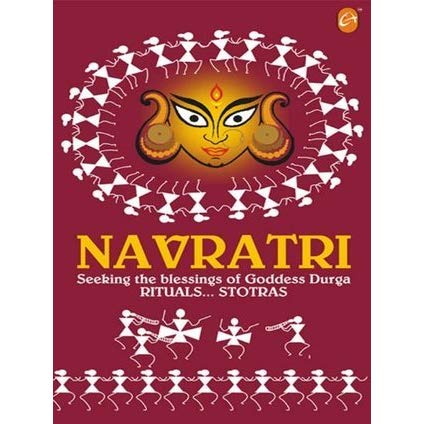
Navaratri (Sanskrit: नवरात्रि, lit. Nine nights), also spelled Navratri, Nauratri, Navarathri, Navratam, or Nauratam, is a nine nights (and ten days) Hindu festival, celebrated in the autumn every year. It is observed for different reasons and celebrated differently in various parts of the Indian subcontinent.[3][1] Theoretically, there are four seasonal Navaratri. However, in practice, it is the post-monsoon autumn festival called Sharada Navaratri that is the most observed in the honor of the divine feminine Devi (Durga). The festival is celebrated in the bright half of the Hindu calendar month Ashvin, which typically falls in the Gregorian months of September and October.[3][4] Download PDF
The holy Hindu occasion called Ram Navami celebrates the birth of Lord Ramachandra who, it is said, had arrived on his earthly abode on the ninth day of the first fortnight of the month of Chaitra in 5114 BC. Believed to be the supreme Hindu God, Lord Rama has a special place in the hearts of pious Hindu people and Ramnavami - observed in many places as a nine day festival annually - is dedicated in his honor. Go through our fantastic section on Ram Navami and know the true identity of Lord Rama, send to friends fabulous greetings and wallpapers linked to the festival, try an exciting quiz on the occasion and more. If you like our Ram Navami section and want to refer it to your friends and loved ones, just click here to pass on this page to them. Bolo Rama Chandra ki Jai! Download PDF